Hair Styles: A Bold, Authentic Typeface for Digital Design
As a web designer or digital product creator, your typography choices shape the tone and effectiveness of every layout you craft. Hair Styles, a fun and cool sans serif font with a rough edge, brings an unexpected but powerful energy to digital spaces. Its raw, authentic nature makes it ideal for creative brands looking to stand out without sacrificing clarity or professionalism.
What Makes Hair Styles Unique?
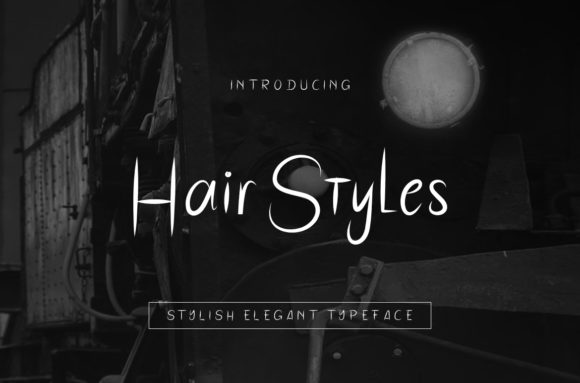
Hair Styles isn’t just another sans serif typeface. It has character—literally. The font features subtle imperfections and a slightly edgy texture that gives it personality while maintaining clean lines. This balance between casual charm and readability is what makes it versatile enough for both display and supporting text in the right context.
The letterforms are open and approachable, with a modern feel that still carries a sense of handcrafted authenticity. You’ll notice its unique stroke variations and rounded edges, which contribute to its playful yet grounded aesthetic. These qualities make it especially effective when used to convey creativity, youthfulness, or a no-nonsense attitude in branding and content design.
Using Hair Styles in Website Headers and Hero Sections
In hero sections and primary headers, Hair Styles shines as a display font. Its bold presence ensures it commands attention, making it perfect for headlines that need to cut through visual noise. Whether you’re designing a landing page for a new SaaS tool or a promotional banner for an online store, this font can anchor your message effectively.
Because of its sans serif roots, Hair Styles maintains excellent legibility at larger sizes. Just be sure to pair it with more neutral body fonts if you want to keep the overall layout from feeling too heavy or inconsistent. Think of it as the charismatic lead actor in a design project—great for center stage, but needs supporting roles to balance the performance.
Visual Hierarchy and Scanning Behavior
When building visual hierarchy on the web, contrast is key. Hair Styles offers a great opportunity to create contrast in both weight and style. Use bolder weights for section titles and lighter ones for subheaders to guide users through your content naturally.
Its informal yet structured look helps maintain a clear scanning path, encouraging users to read further into your copy. In environments where you want to inject some personality without confusing the user, such as a course sales page or a blog header, Hair Styles provides the right amount of visual interest without disrupting the flow of information.
Optimal Use Cases for Hair Styles
- Creative Portfolio Sites: Show off your design work with a header that feels fresh and dynamic.
- Boutique Online Stores: Add warmth and individuality to product banners or brand statements.
- Coaching or Lifestyle Websites: Create a human-centric tone with a font that feels personal and approachable.
- Hero Titles and Call-to-Action Buttons: Make your CTA stand out with a typeface that’s bold and easy to scan.
- Logo Text and Brand Accents: If your brand identity leans toward minimalism with a twist, consider using Hair Styles for logo text or signature elements.
Readability Across Devices and Backgrounds
While Hair Styles excels in large-scale applications, it's also worth considering how it performs in smaller sizes or on mobile screens. For best results, stick to using it for short phrases rather than long paragraphs. At small sizes, the slight texture might reduce clarity, so always test how it looks on various screen resolutions.
On dark backgrounds, Hair Styles can pop beautifully, especially when paired with high-contrast colors. On light backgrounds, it retains its authenticity and doesn't lose definition. When using it over images in overlays or social media graphics, ensure there's enough contrast and possibly add a subtle stroke or outline to enhance legibility.
Font Pairing Strategies for Web Projects
To build a cohesive typographic system, consider pairing Hair Styles with a more refined sans serif for body text. Fonts like Inter, Roboto, or Lato offer the simplicity needed to complement Hair Styles’ expressive nature without clashing. Alternatively, for editorial-style layouts or blogs, you could combine it with a subtle serif font to add depth and sophistication to secondary text.
Avoid pairing Hair Styles with overly decorative or script fonts unless you're going for a very specific vibe. The goal is to maintain balance between creativity and usability. Remember, your choice of premium font should serve the content—not distract from it.
Branding and Consistency with Hair Styles
Typography plays a crucial role in brand identity. Hair Styles can help reinforce a brand’s voice by adding a layer of authenticity and boldness. If your brand communicates innovation, energy, or a touch of rebellion, this font can subtly echo those values across all digital touchpoints—from website headers to social media posts and email campaigns.
For consistent application, check if the font includes multiple weights, italics, and alternates. These variations allow you to use Hair Styles in different contexts while maintaining a unified design language. Many modern webfont kits also support multilingual characters, making it suitable for international audiences or diverse user bases.
Practical Typography Examples
- Product Landing Page: Use Hair Styles for the main headline to grab attention quickly. Follow with a clean sans serif for pricing and features to ensure scannability.
- Blog Header: Apply Hair Styles to the site title or article headings to give your content a modern, engaging feel.
- Course Sales Page: Highlight key selling points with bold Hair Styles headers to emphasize value and urgency.
- Online Store Banners: Inject a bit of personality into seasonal promotions or collection names without overwhelming product details.
Commercial Licensing and Font Usage
Before integrating Hair Styles into a client project or commercial website, verify the licensing terms. Some commercial fonts require per-project licenses or webfont subscriptions depending on usage scope. If you plan to use it across multiple platforms—like your own digital brand kit, app screens, or templates—it's important to choose a license that supports these needs.
Also, confirm whether the font supports the file formats you need (such as WOFF or TTF) and whether it includes glyph sets for special characters, emojis, or extended language support. These details matter when building responsive, global-friendly websites.
Final Touches for Effective Typography
Always consider spacing and line height when using Hair Styles. Because it has a strong visual presence, giving it room to breathe improves both aesthetics and readability. Avoid overcrowding it in tight grids or small buttons; instead, use it for emphasis and impact in larger typographic zones.
Use tools like Google Fonts or Adobe Fonts to preview how Hair Styles behaves across different platforms and screen sizes. Testing its performance in real-world conditions ensures your design remains functional and beautiful, regardless of the device or context.
In summary, Hair Styles is more than just a creative font—it’s a strategic design asset. With its blend of modern sans serif structure and handcrafted appeal, it can elevate your digital projects from generic to memorable. As long as you apply it thoughtfully and pair it well, Hair Styles can become a cornerstone of your next brand-focused web experience.